
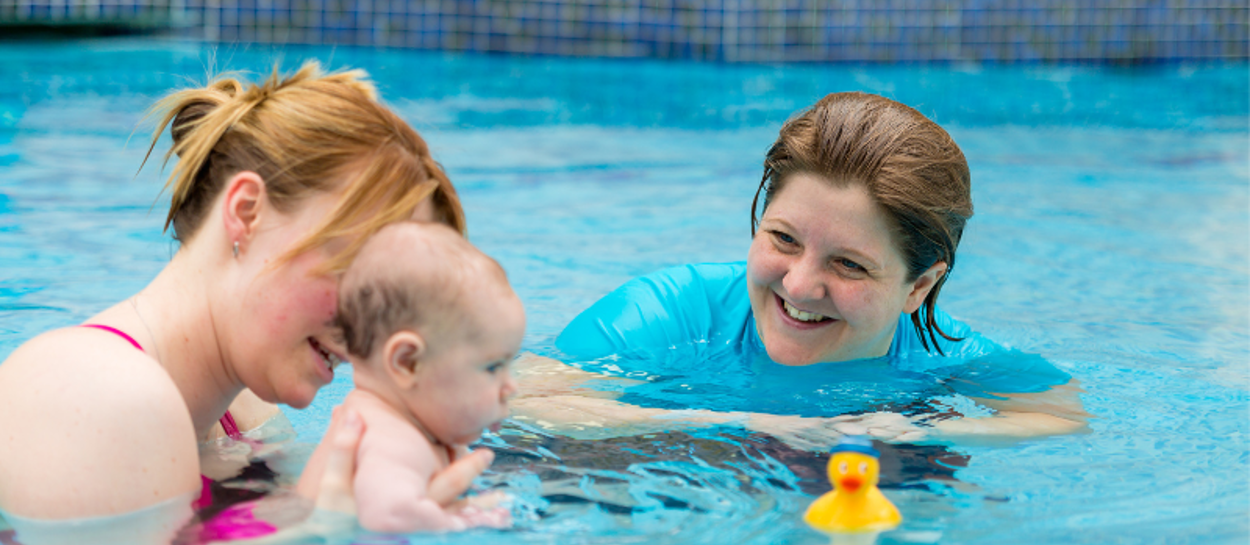
Choosing a Swim School
Making a Splash! A guide for new parents on how to choose the right swim school for your little one.
When it comes to baby swimming lessons, every parent wants to feel confident that they’ve made the right choice. Learning to swim is a life skill that supports safety, development, and confidence in the water — and choosing the right swim school ensures you and your baby get the best start.
Below is a clear, practical guide to help you understand what to look for, what to expect, and how to select the swim programme that suits your baby’s needs.
Why swimming lessons for babies matter
Babies are naturally comfortable in water — after all, they’ve spent nine months surrounded by it. A warm pool provides a soothing and familiar environment, and babies can start swimming from birth, even before vaccinations.
Swimming with your baby offers wide-ranging benefits, including:
- Bonding through skin-on-skin, and eye contact
- Gentle exercise that promotes motor development
- Relaxation through the calming sensation of warm water
- Social stimulation for both parent and child
Baby swimming lessons build on these benefits with structured activities that support development, water confidence, and early swimming skills.
Key factors to consider when choosing a Baby Swim School
1.Identify what you want from the lessons
Some classes provide a relaxed, supported environment for enjoying the water together. Others follow a progressive programme designed to build swimming skills over time. Consider which approach aligns with your goals.
2. Check teacher qualifications
In the UK, instructors typically need:
💦STA Baby & Pre-School Swimming Award or
💦SEQ Level 2 Teaching Swimming to Babies and Toddlers
Look for teachers with current training in first aid, CPR, and pool rescue, plus ongoing professional development. Baby swimming techniques evolve, so choosing a school that embraces up-to-date teaching methods can make a real difference.
3. Understand class structure
Ask how classes are grouped:
💦By age?
💦By ability?
💦A mix of both?
You should be able to track your baby’s progress and understand their “swim journey” from one stage to the next.
4. Learn about the pool and facilities
Pool temperature has a big impact on comfort:
💦Young babies usually require water over 30°C
💦Cooler pools may require a thermal wetsuit
💦Warm hydrotherapy pools should not need a warm suit at all
Consider changing facilities, access, parking, and the general cleanliness of the venue.
5. Take advantage of free trials
Many swim schools offer a trial lesson. This is a great chance to:
💦See the facilities
💦Observe or join a class
💦Meet the teacher
💦Ask questions
This can be especially valuable if you're nervous about taking your baby swimming for the first time.
6. Evaluate communication and customer support
Good customer service is important throughout your baby’s learning journey. Make sure you know:
💦How to ask questions
💦What communication channels the school uses (email, newsletters, social media)
💦How quickly the team responds
7. Understand the policy for missed lessons
Every family gets sick or goes on holiday. Schools vary widely:
💦Some offer courtesy lessons to make up for those missed
💦Others are pay-as-you-go
💦Some don’t offer replacements
Check what works best for your schedule.
8. Consider pricing and what's included
Prices vary depending on:
💦Teacher qualifications
💦Programme structure
💦Pool type
💦Group size
Less structured sessions may be cheaper but slower in terms of progress; structured lessons often involve expertly designed curriculums that support steady development and confidence.
9. Read reviews and ask for recommendations
Reviews provide honest insight into what classes are really like. Recommendations from friends or family can be helpful — and sometimes come with referral discounts.
Understanding different types of Swim Programmes
Every swim school designs its programme differently. Common approaches include:
Water familiarity
Relaxed, play-focused sessions that gently introduce babies to the water without formal progression.
Structured progressive programmes
Step-by-step pathways that build water confidence and early swimming skills, offering clear goals and milestones.
Age-specific classes
Classes grouped by age help ensure activities are developmentally appropriate, which can support more natural progress.
Approaches to underwater swimming
Schools may take different approaches:
- Adult-led submersions, where the adult guides the baby underwater
- Child-led approaches, where submersions happen only when the baby shows readiness
If underwater swimming is included, make sure you’re comfortable with the school’s philosophy and teaching methods.
The best programmes combine simple, research-informed activities, gentle songs, and repeated practice — all of which promote learning through consistency and fun.
Tips to make Baby Swimming lessons enjoyable and stress-free!
- Plan your visit: check location, parking, changing areas, and any access information.
- Pack a large bag, two towels for small babies, and easy-to-change clothes.
- Bring required swim nappies (many schools use a double-nappy system).
- Don’t forget your own swimwear if you’re going in the pool!
- Dry your baby thoroughly, especially ears and hair.
- Bring warm layers or a hat in colder months.
- Have a snack and drink ready for after the class.
- And most importantly — enjoy the moment!
Make a confident choice for your baby
Choosing the right baby swim school is more than booking a class — it’s choosing a safe, nurturing, and enjoyable start to your child’s life in the water. Explore your options, ask questions, and select a programme that fits your family’s needs and values.
Whether it's your baby’s first gentle float or their first attempt at kicking and splashing, these moments build confidence, strengthen your bond, and create a lifelong love of the water.